
Modern medicine allows people to fight many diseases more effectively, but with this also comes the problem of polypharmacy — taking many different drugs. According to the National Health Service’s 2020 report, more than half of Poles have been ill with at least one lifestyle disease in the past five years. 4.5 million people bought prescriptions for five or more active substances in six months.
Problem Genesis
Research confirms that the problem is real. More than half (56 per cent) of Poles have suffered or are still suffering from at least one disease of civilisation in the last five years, such as hypertension, atherosclerosis, cancer, diabetes or depression. The number of people continuously taking medication continues to rise. 4.5 million people bought prescriptions for five or more active substances in a six-month period.
The problem I aimed to solve began with a broad exploration of user behavior and daily challenges surrounding medication adherence. I started by developing a set of research questions that would guide my investigation, focusing on identifying the key factors that cause people to forget or delay taking their medications.

Once I had defined the core research questions, I concentrated on finding a representative research group. Conducting in-depth interviews (IDIs) with individuals who regularly take medication allowed me to gain deeper insights into their daily routines, obstacles they face, and emotional responses related to medication adherence.
Research Analysis
The research provided valuable insights into the habits, challenges, and pain points of the respondents. Among the 11 respondents, 7 reported that taking medication was a source of stress or frustration — medications felt like a restriction that interfered with daily plans and longer absences.
All respondents mentioned storing their medications in designated spaces — their „home pharmacies.” Interestingly, 8 out of 11 participants admitted that at some point, they unexpectedly ran out of medication. Those who experienced this expressed frustration about the financial cost of missed doses and fear about delayed doctor appointments.

Wireframes and Prototyping
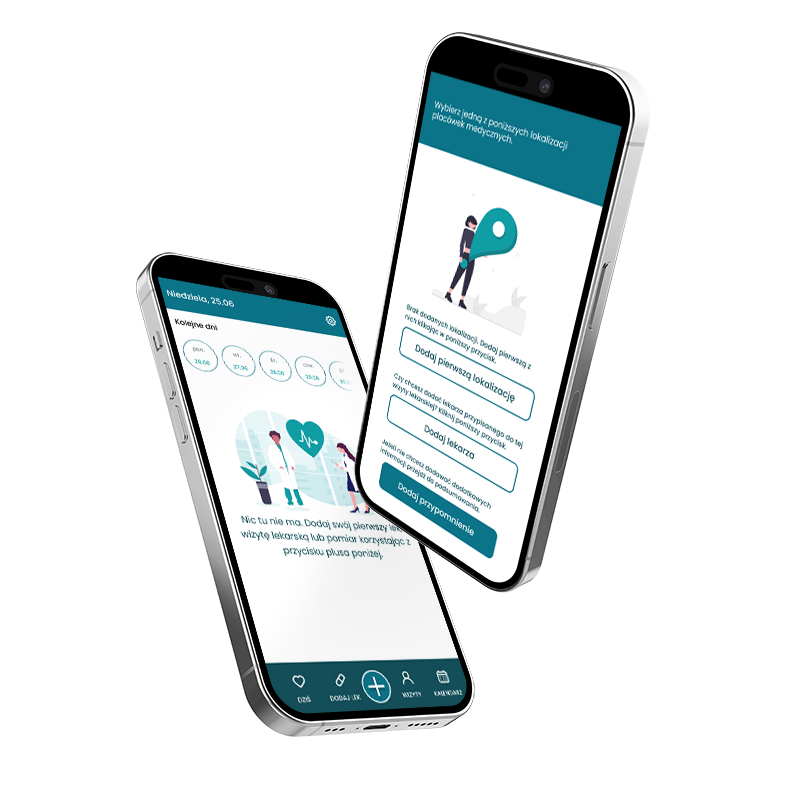
Once I had a clear understanding of the users’ challenges and pain points, I began the wireframing and prototyping phase. Initial wireframes focused on creating a simple and intuitive interface addressing users’ needs without unnecessary complexity — medication reminders, tracking, and easy access to prescriptions.
I iterated on these wireframes through multiple feedback sessions, refining the layout to ensure a smooth user flow. The first interactive prototype allowed me to test early design assumptions with potential users, especially around key features like scheduling medications, receiving reminders, and handling unexpected prescription shortages.
Solution
Effective notification system
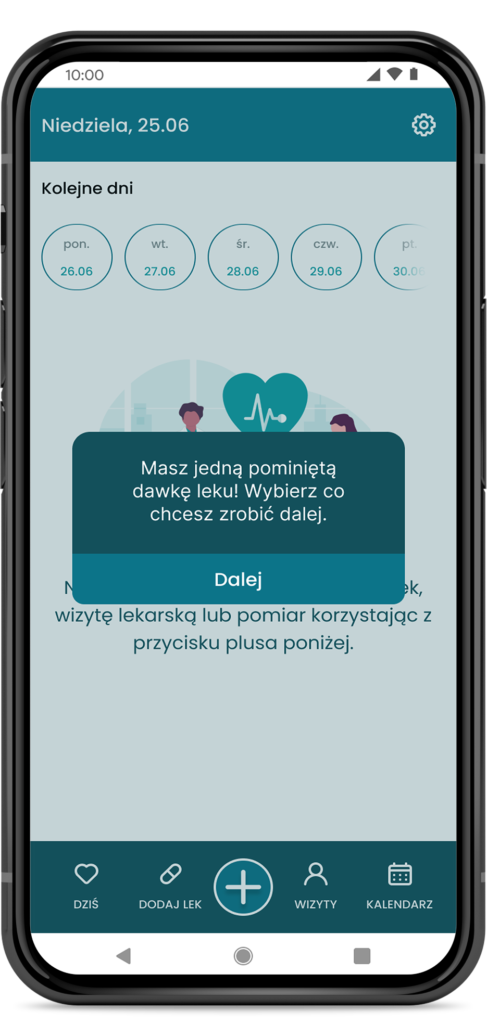
Notifications that clearly and unambiguously remind users that they need to take their medication at the given dose. Notifications require the user to take an action to confirm that the medication has been taken.
Building positive habits
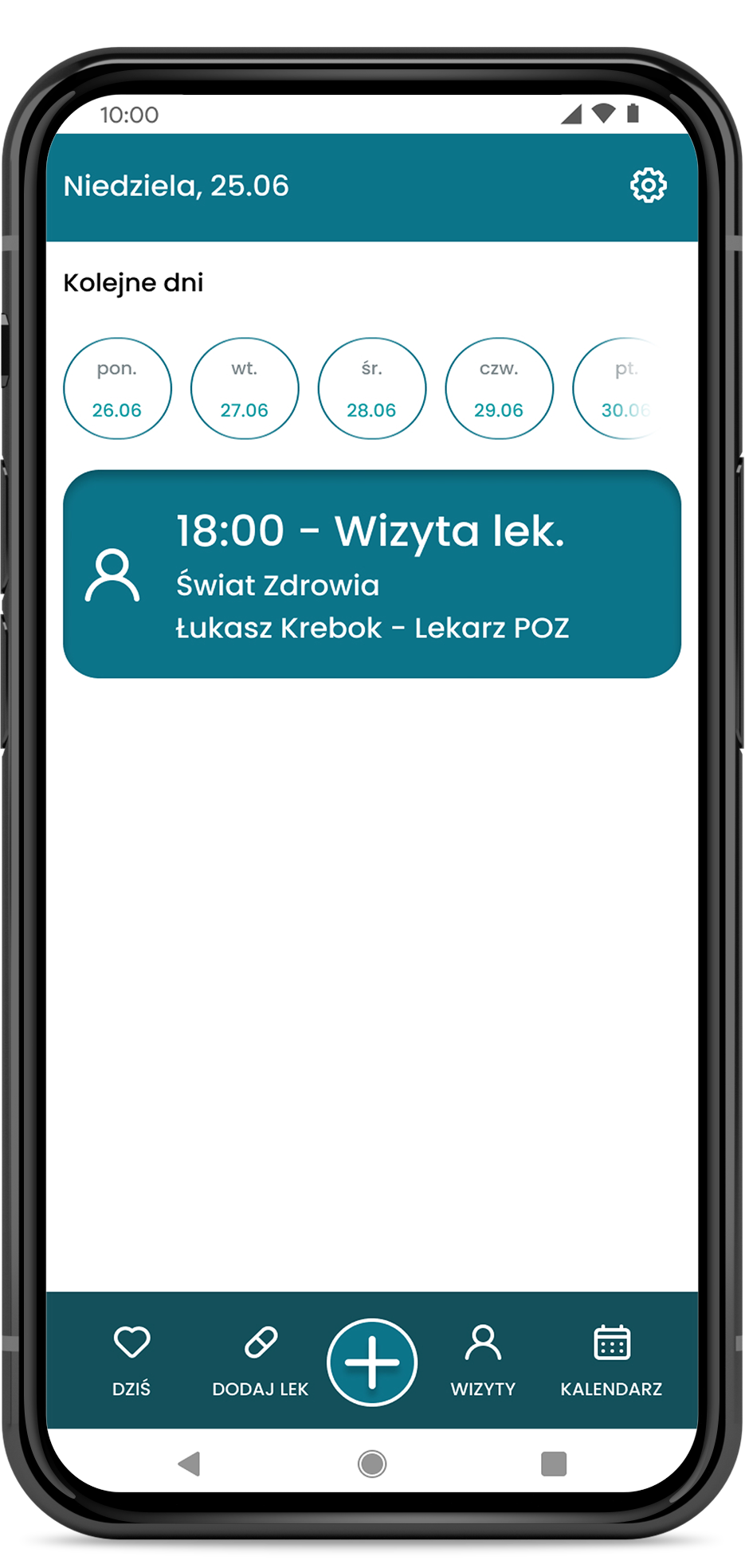
The easy-to-use functionality of the planner and the view of upcoming medication events make it more user-friendly for patients to start the pharmacotherapy process and develop appropriate habits.
Controlling the quantity of medicines in the medicine cabinet
The user has full control over the number of medicines in their home medicine cabinet. By looking at the status table for each medicine on their phone, they do not have to make a special trip to the medicine drawer.
Medical appointments
Users who are often condemned to sitting in doctors’ surgeries can support their therapy with the use of adding medical appointments to the app’s schedule.
Measurements and statistics
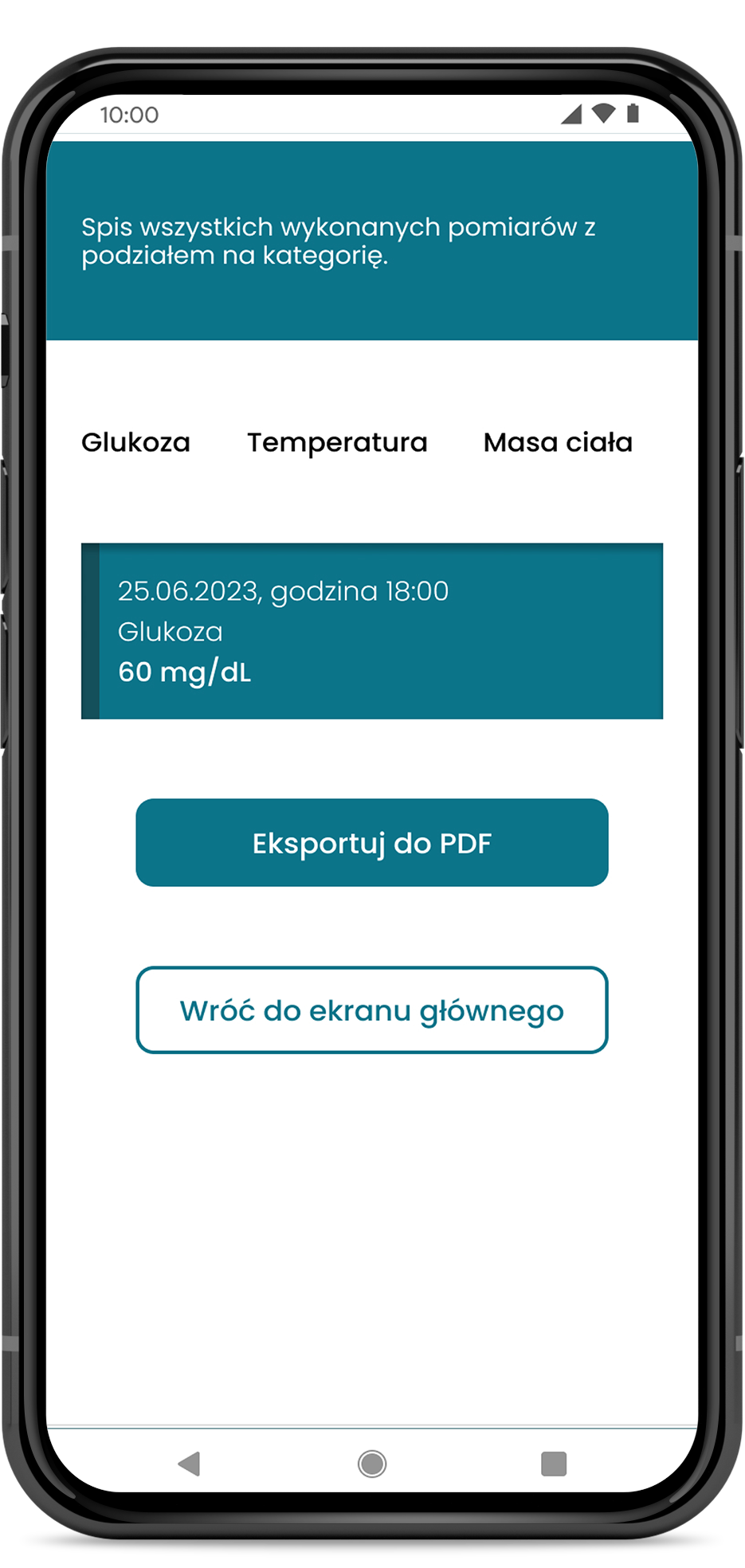
The Pill Please app allows measurements of key indicators to be added: glucose, temperature, weight, saturation, pulse, and blood pressure.
Testing and Iteration
Reaching the testing phase was a significant milestone after the extensive research and design journey. The prototype, created in Figma, ran on Android devices. Between May 15 and May 26, usability tests were conducted with multiple users, gathering nine screen recordings paired with audio files capturing their feedback and interactions.
Based on these insights, slight interface adjustments were made to improve user flow and ensure ease of use. The testing process reinforced the overall design direction, while the refinements further enhanced the user experience.

Project in Details
- Duration: October 2022 – July 2023
- Research Phase: In-depth interviews (IDIs) with 11 participants
- Key Insights: Stress and frustration related to medication schedules and unexpected shortages
- Testing Period: May 15 – May 26, 2023
- Usability Testing: 9 screen recordings with separate audio feedback sessions
- Tools Used: Figma, Miro, Google Forms, Google Meet
- Role: UX Researcher, UX Designer, UI Designer